A home decor brand sent a reference photo of a wooden wall shelf they found at a trade show. No dimensions, no material specs, no finish reference. The factory produced a sample based on the photo — but the shelf was 5cm shorter than the brand expected, the wood was beech instead of birch, and the finish was matte instead of satin. Three rounds of sampling later, the product was right. The delay cost 6 weeks.
Working with a wooden craft OEM factory is a collaboration. The more information you provide upfront, the faster and more accurate the result. This guide covers how to work effectively with an OEM factory from first inquiry to bulk production.
Starting the Conversation: What to Send
The first inquiry sets the tone for the entire project. A clear, detailed first message gets a faster, more accurate response. Here's what to include:
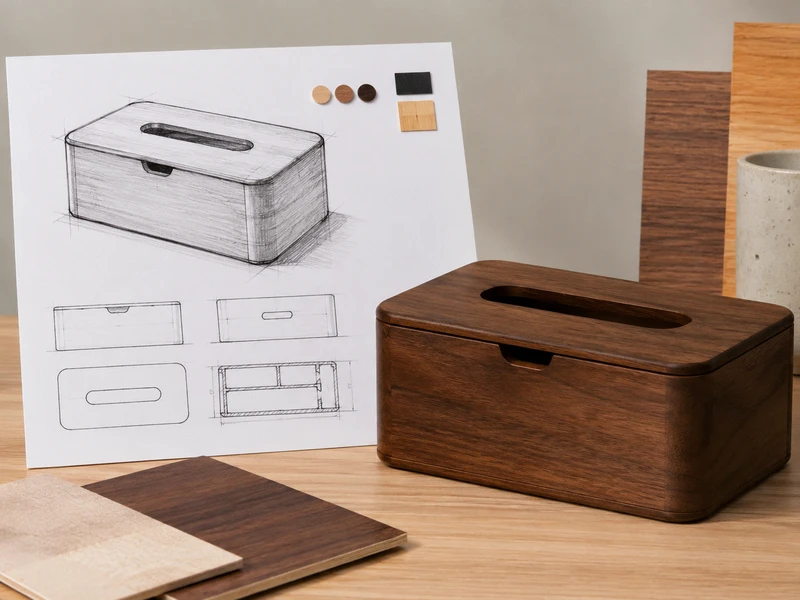
- Drawings or sketches — CAD files (AI, PDF, DWG, STEP) are ideal. Hand sketches with measurements are perfectly acceptable. The key is dimensions and shape.
- Reference photos — images of existing products similar to what you want. Multiple angles help. If you have a physical sample, send it by courier.
- Size specifications — exact dimensions or a size range. For boxes: length × width × height. For ornaments: overall size and thickness.
- Material preference — if you know what wood you want, say so. If not, describe your requirements: "affordable for painted finishes" or "premium feel for jewelry packaging."
- Finish direction — natural, stained, painted, distressed, lacquered. Send Pantone or RAL color references if possible.
- Quantity and timeline — target order quantity and desired delivery date.
- Destination country — affects shipping method, packaging requirements, and import compliance.
Feasibility Review
After receiving your inquiry, the factory evaluates feasibility. This includes checking whether the design can be produced at scale, whether the materials are available, whether the finish works on the chosen wood, and whether the packaging can survive export shipping. A good factory will flag potential issues early — before sampling begins.
Common feasibility concerns:
- Design details that are too thin or fragile for bulk production.
- Material choices that don't work with the desired finish.
- Production methods that are not cost-effective at the target quantity.
- Packaging requirements that add excessive cost or complexity.
Sample Development
Sampling is the most important phase of any OEM project. The sample becomes the quality standard for bulk production. Key points:
- Sample lead time — typically 7-15 working days depending on complexity.
- Sample cost — $50-150 per design. Usually refunded against the first production order.
- Approval rounds — 1-2 rounds of adjustments are normal. Be specific with feedback — photos and measurements, not vague descriptions.
- Photo approval — many factories send sample photos before shipping the physical sample. This saves time on minor adjustments.
Practical Example: From Reference Photo to Production
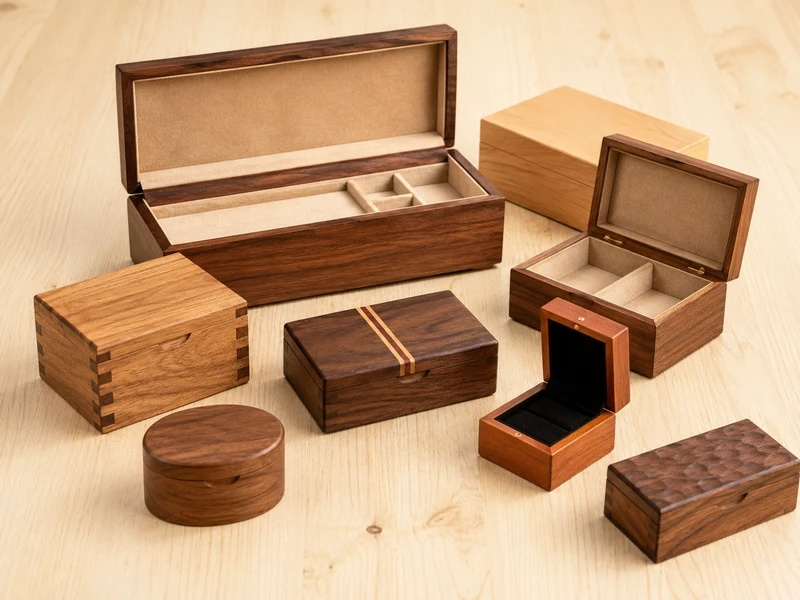
A gift brand found a wooden keepsake box at a trade show and photographed it from three angles. They sent the photos with specific notes: "Similar size (approximately 15×10×7cm), but with our logo on the lid, magnetic closure instead of clasp, black velvet interior, and beech wood." That was enough information for the factory to create technical drawings, select materials, and produce a matching sample within 10 days. The key was the specific details about what to change.
Communication During Production
Clear communication prevents problems. Best practices:
- Confirm all specifications in writing before production starts.
- Request progress photos at key stages (material cutting, assembly, finishing, packing).
- Respond to questions quickly — delays in communication cause delays in production.
- Use a single point of contact to avoid conflicting instructions.
Starting a custom wooden craft project? Send us your drawing, reference photo, sample details, target material, finish requirement, quantity, and destination country. We will review feasibility and provide a detailed quote within 24 hours.
Send Your Project DetailsBulk Production Consistency
The gap between a good sample and consistent bulk production is where most OEM projects fail. To ensure consistency:
- The approved sample must be kept on the factory floor as the quality reference.
- Material batches should be controlled — same wood source, same moisture content.
- Finish formulas must be documented and batch-controlled.
- Inspection should happen at multiple stages, not just at the end.
FAQ
What if I only have an idea, no drawing at all?
Describe your idea in words, send reference photos, or sketch it on paper. Our team creates production-ready specifications and technical drawings for your review. A small design fee may apply, refunded against your first production order.
Can you make products from a physical sample I mail you?
Yes. Send the sample by courier. We reverse-engineer it, create production specifications, and produce matching samples. This takes 10-15 working days.
How do you ensure bulk production matches the approved sample?
The approved sample stays on the production floor as the reference. Material batches are controlled. Finish formulas are documented. Inspection happens at material, assembly, finishing, and packing stages. We provide progress photos at key stages.
Related Resources
Explore our custom wooden crafts product page, visit our manufacturing capabilities page, or read our guides on what to prepare before working with an OEM manufacturer and choosing a wooden box manufacturer.