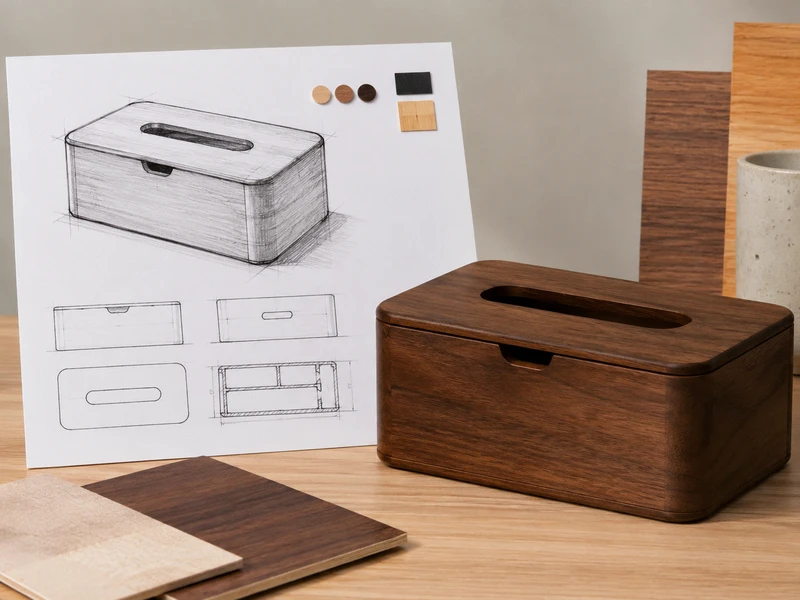
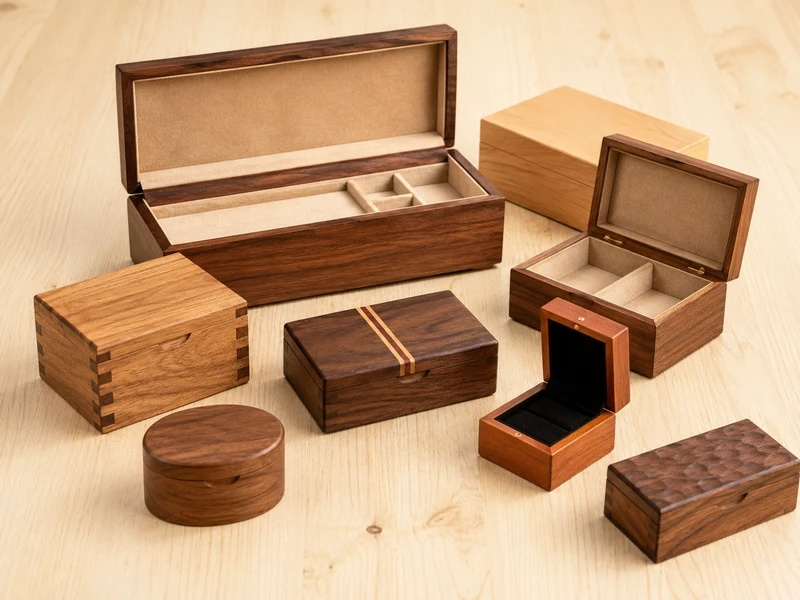
A gift brand wanted to launch a 6-SKU wooden product line for their retail stores. They had reference photos from Pinterest and a target retail price of $25-45 per piece. But when they sent the photos to a factory, the first question was: "What wood? What size? What finish?" Without those details, the factory couldn't quote accurately. The brand spent 3 weeks clarifying specifications that could have been defined in a single planning session.
Retail brands launching custom wooden products need to answer specific questions before contacting a factory. The more planning done upfront, the faster the sampling process and the more consistent the final products. This guide covers what retail brands should define before requesting a bulk order quote.
Define the Product Use Case
Before designing anything, clarify what the product is for. The use case drives every decision — material, size, finish, packaging, and price point:
- Gift product — needs attractive packaging, premium feel, and a price point that works for gifting ($15-50 retail).
- Home decor item — needs visual appeal, consistent finish across the collection, and shelf presence.
- Functional product — tray, box, or organizer that needs durability and practical design.
- Seasonal product — needs to fit a holiday theme, arrive before the season, and have retail-ready packaging.
- Promotional item — needs branding space, cost efficiency, and a memorable design.
Set a Target Retail Price
The target retail price determines the manufacturing cost budget, which determines the material, complexity, and finish options. A rough rule: manufacturing cost is typically 20-30% of the retail price for wooden products. A $30 retail item should cost $6-9 to manufacture, including packaging.
Share your target retail price with the factory. A good manufacturer will recommend materials and production methods that fit your budget without sacrificing quality.
Specify Size, Structure, and Shape
Provide exact dimensions or a size range. For boxes: length × width × height. For trays: length × width × edge height. For ornaments: overall size and thickness. If you're unsure, send reference photos with a ruler or known object for scale.
Choose Material and Finish
Material affects the look, feel, weight, and cost. Finish affects the visual style and durability. Common combinations for retail products:
- Pine + distressed paint — rustic farmhouse look. Affordable. Popular for country-style retail.
- Beech + natural oil — premium, clean look. Hard and durable. Good for kitchen and dining products.
- Birch + stained — smooth, modern look. Consistent grain. Good for Scandinavian-style products.
- MDF + painted — uniform color, no grain. Cost-effective for large runs with bold colors.
- Bamboo + natural — eco-friendly, distinctive grain. Growing demand from sustainable brands.
Plan Logo and Branding
Decide where the logo goes and how it's applied before sampling. Laser engraving is permanent and natural-looking. Hot stamping adds gold or silver foil. Screen printing works for multi-color logos. UV printing handles photo-quality artwork. Each method has different costs and minimum order requirements.
Design Packaging Before Sampling
Packaging is part of the product. Decide during planning, not after production starts. Options include branded boxes, kraft wraps, hang tags, blister packs, and retail-ready display packaging. Packaging affects the unit cost and the shipping volume.
Planning a custom wooden product line for your retail brand? Send us your product concept, target retail price, size range, material preference, finish direction, logo method, packaging needs, and target launch date. We will provide a feasibility assessment and detailed quote within 24 hours.
Plan Your Product LineSample Approval Is Critical
Never skip sampling. The sample is the quality contract between you and the factory. Inspect it for dimensions, finish color, logo quality, weight, and overall feel. Test it with your actual products if it's a box or tray. Approve only when you're confident the bulk order will match.
Order Quantity Planning
Plan your first order quantity based on retail distribution, not just MOQ. If you have 10 stores and want 20 pieces per store per SKU, that's 200 pieces per SKU. For a 6-SKU line, that's 1,200 pieces total. Share this with the factory — it helps them plan production and offer accurate pricing.
Collection Consistency
For multi-SKU collections, consistency matters. All pieces should share the same finish color, wood type, and visual style. Specify this during planning so the factory can produce all pieces in the same production window for maximum consistency.
FAQ
How many SKUs should I start with?
4-8 SKUs is typical for a first collection. This gives enough variety for retail display without overwhelming inventory. You can expand after the first order proves the market.
Can I mix different product types in one order?
Yes. You can combine boxes, trays, ornaments, and other items in a single order. This is common for retail brands launching a collection. The factory optimizes production by running similar items together.
What if I don't know what wood or finish to use?
Describe your target look and price point. The factory will recommend the best material and finish combination. Ask for samples in 2-3 different materials before committing.
Related Resources
Explore our custom wooden crafts, wooden boxes, wooden trays, and wooden ornaments product pages. You can also read our guides on working with a wooden home decor manufacturer and working with an OEM factory.