Wooden Craft Lead Times: Plan Production and Seasonal Orders
Build a wooden craft sourcing timeline with sample, artwork, production and shipping milestones, including seasonal store deadlines.
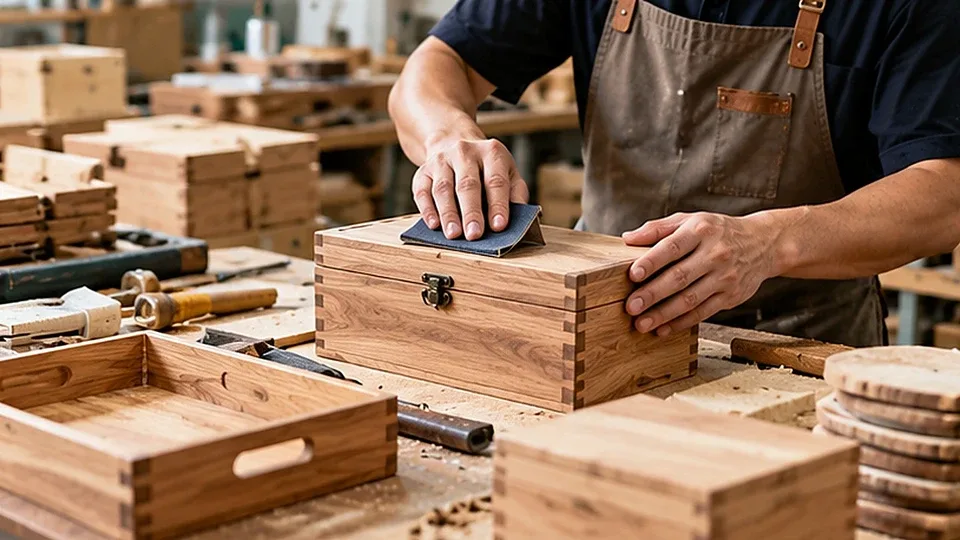
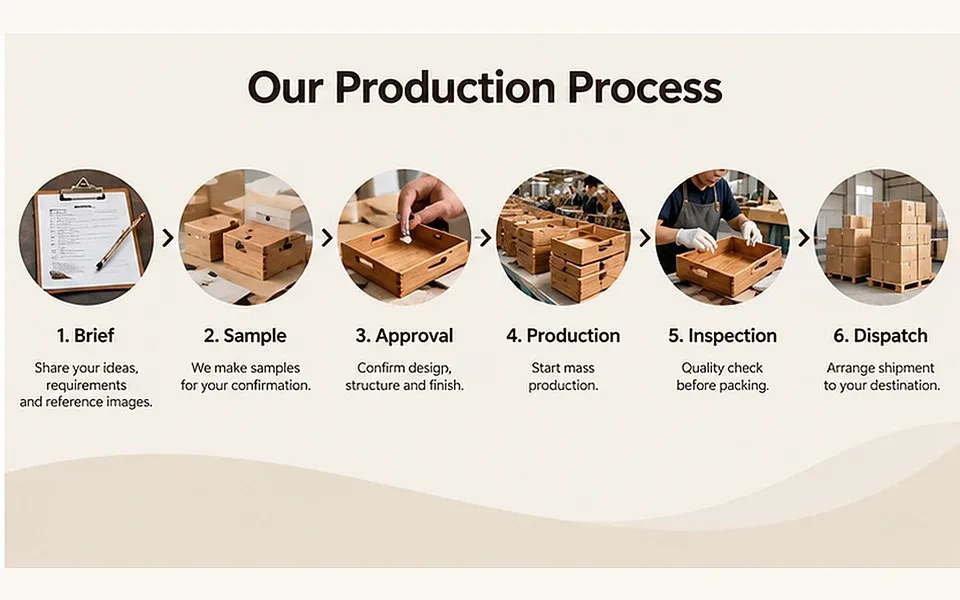
Plan wooden craft production through approval gates: complete brief, development sample, final product and pack approval, production inspection and freight handoff. Ask for dates and dependencies for the actual design. A quoted factory completion date is different from warehouse arrival or the retail shelf date.
Stage 1: clarify the brief
Provide drawings or samples, dimensions, material and finish preferences, branding files, quantities by variant, packaging and destination. The supplier should identify missing details and any design concerns. A quote made before the construction and pack-out are defined should be treated as provisional.
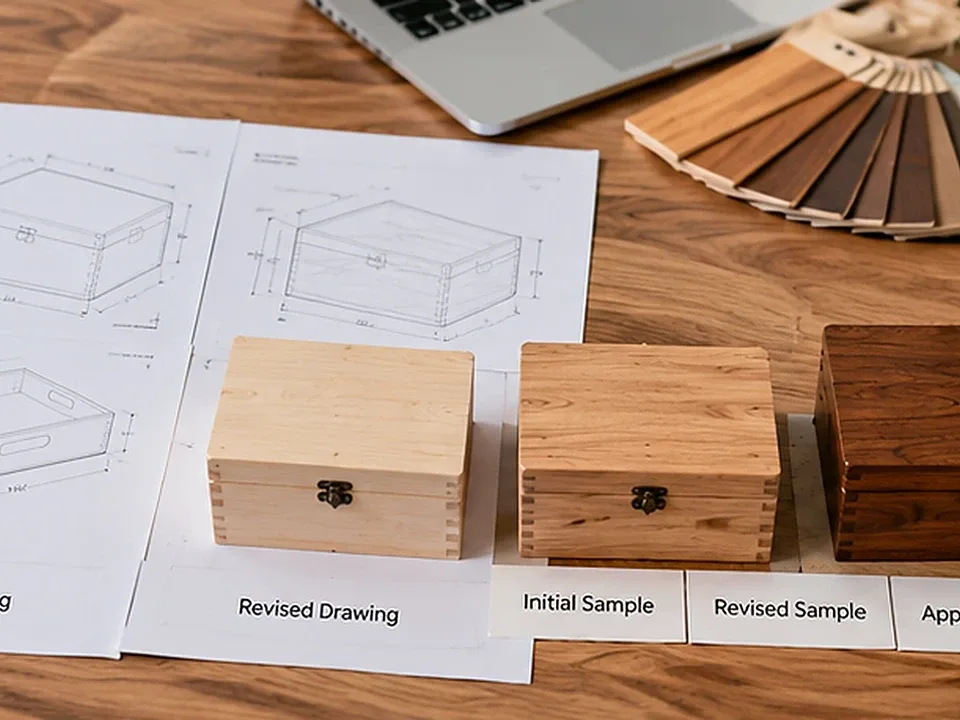
Stage 2: develop and approve the sample
Agree on what the first sample will prove: structure, size, material, color, artwork or all of them. Record revision numbers. When reviewing the physical sample, measure fit, operate moving parts and inspect the finish under useful lighting. If a change is requested, confirm whether it affects price, tooling or the next approval date. The approved sample and specification become the reference for the bulk order.
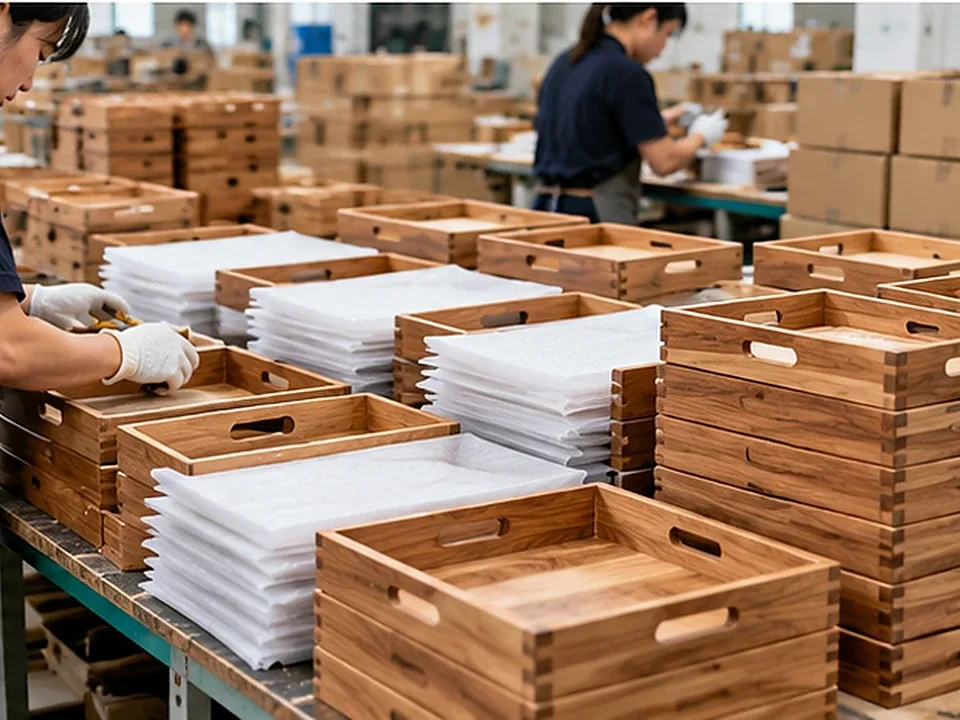
Stage 3: confirm the purchase order
Align SKU quantities, sample version, payment terms, packing instruction, inspection method and delivery terms. Ask for a production schedule that identifies material procurement, processing, finishing, assembly, packing and inspection. The exact sequence varies by design; the key is to make responsibilities and dependencies visible.
Stage 4: prepare shipment
Inspect a packed sample and final carton marking. Confirm the packing list and logistics handoff. Allow time for customs and freight uncertainties outside factory control. If the launch date is fixed, discuss an earlier internal need-by date rather than assuming the ship date equals the shelf date.
Details to settle before requesting a quote
| Buyer decision | Information to provide |
|---|---|
| Design freeze | Approved drawing, finish, artwork and variant matrix. |
| Production gates | Materials, first article, finishing, packing and inspection responsibilities. |
| Delivery | Supplier handoff, transport assumptions and warehouse need-by date. |
When should the production countdown begin?
Agree the trigger in writing. It may depend on approved samples, final artwork, confirmed quantities and other order terms. If any of those change, request an updated schedule and identify which downstream milestones are affected.
Related purchasing decisions
Seasonal Wooden Decor Sourcing Calendar: Work Backward from Shelf Date
Build a seasonal decor sourcing calendar backward from warehouse readiness, not the holiday itself. Include receiving and allocation, then freight, inspection, production, packaging and sample approval. Assign decision owners and confirm supplier dependencies so late artwork changes have a visible schedule impact.
| Buyer decision | Information to provide |
|---|---|
| Need-by | Warehouse receipt, allocation and shelf dates. |
| Gates | Artwork, physical sample, packaging and first-article decisions. |
| Dependency | Critical SKU, approval owner and transport assumptions. |
Which date should appear in the inquiry? Provide the warehouse need-by date and the in-store launch date separately, plus the destination. Ask the supplier and logistics team to define their handoff assumptions. Factory completion and retail availability are different milestones.
A schedule with owners and dependencies
| Milestone | Required input | Who confirms it |
|---|---|---|
| Quote baseline | Drawing, variants and intended pack | Buyer and supplier |
| Sample review | Physical sample and revision record | Buyer approval owner |
| Production release | Combined approved product and pack | Buyer and supplier |
| First-article review | Production-representative unit | Named inspection/approval owner |
| Shipment release | Packed units and required documents | Responsible commercial and logistics teams |
| Warehouse availability | Transit and receiving assumptions | Buyer’s receiving/logistics team |
Put actual dates beside these milestones only after the project is scoped. For seasonal ranges, add artwork freeze and store allocation before working backward from the in-store date. If a shared component is late, ask which SKUs depend on it and whether a partial delivery is useful to the buyer.
Discuss your specification with Woodencraftfactory
Start with the three decisions above: design freeze, production gates, delivery. Include your reference image or drawing, quantity by variant and destination. Mark unresolved details as “please advise” so the inquiry can identify the decisions still needed.
Request a Quote to discuss the proposed design and its feasibility, or review our manufacturing capabilities first.
Related reading: Wooden craft sample development.